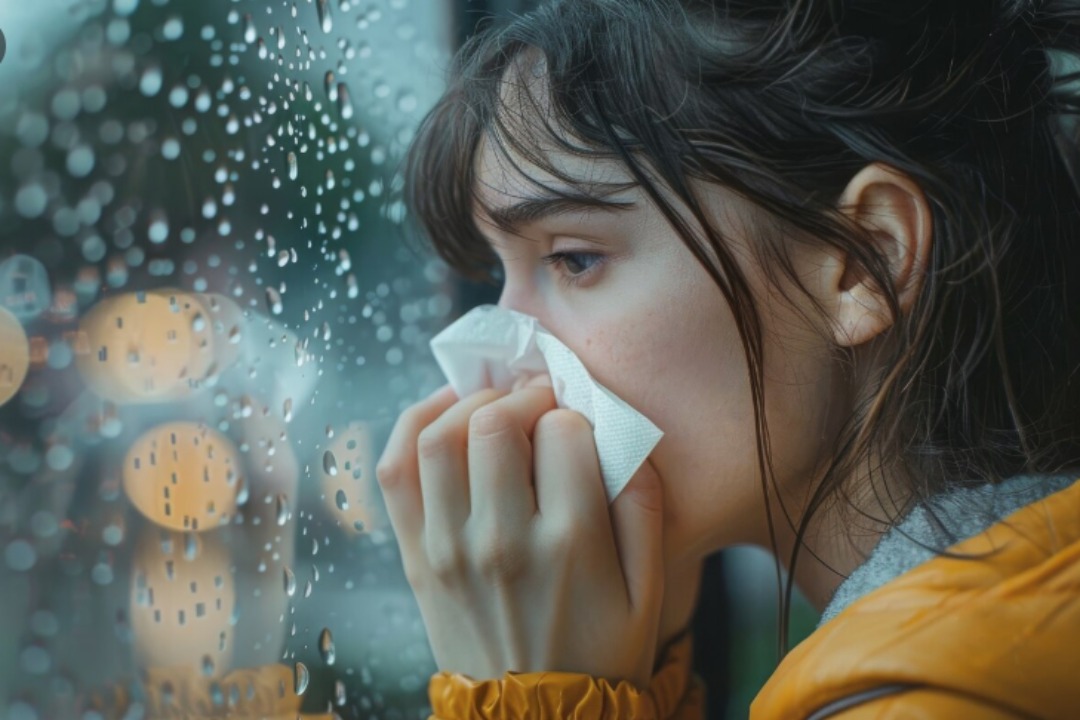
Monsoon Health Guide: How to Keep Your Family Safe This Rainy Season
There is something genuinely beautiful about the first rains after Tamil Nadu’s long, punishing summer. The air cools, the streets smell of wet earth, and everyone lets out a collective breath of relief.
But the monsoon also quietly brings something else — a sharp spike in infectious disease. Dengue, malaria, typhoid, leptospirosis, and stomach infections do not announce themselves. They spread through stagnant puddles, contaminated water, and a single mosquito bite at the wrong moment.
At Shanmuga Hospital in Salem, our general medicine team sees this pattern every year from June through October. The families who come in early, who recognise the warning signs and act on them, almost always do better than those who wait. This guide is written with that in mind — to give you and your family a real head start.
What Spreads During Monsoon — and Why
It helps to understand what you are actually dealing with before you try to prevent it. Here are the four conditions we see most commonly during the rainy season in Salem and across Tamil Nadu.
Dengue Fever
Dengue is spread by the Aedes aegypti mosquito, and this particular mosquito breeds in clean, stagnant water — not dirty drains, but the water sitting in a flower pot, a cooler tray, or a discarded tyre. It bites during the day, mostly in the morning and late afternoon.
The symptoms come on fast: high fever, severe joint and muscle pain (which is why it was once called breakbone fever), a rash, and intense fatigue. In serious cases it progresses to dengue haemorrhagic fever, which is a medical emergency.
The good news is that dengue caught early responds well to supportive treatment. The danger is in waiting too long.
Malaria
Malaria is caused by a parasite transmitted by the Anopheles mosquito, which breeds in larger, slower-moving bodies of water and tends to bite at night. The classic pattern is recurring cycles of chills, fever, and sweating.
A simple blood test confirms the diagnosis. Treated promptly, malaria is very manageable. Left untreated, it can damage the liver, kidneys, and brain. The risk is highest in low-lying areas where water collects after heavy rain.
Typhoid and Cholera
Both of these are waterborne illnesses — they spread through contaminated food and water, particularly when floodwater mixes with drainage. A prolonged fever, stomach cramps, and diarrhoea are the usual signs.
Children and the elderly are the most vulnerable, largely because their systems cannot handle the dehydration that comes with persistent vomiting or diarrhoea. Vaccination for typhoid offers good protection and is worth keeping up to date.
Leptospirosis
This one tends to slip under the radar, but it is common in Tamil Nadu and worth knowing about. Leptospirosis is a bacterial infection that spreads through water contaminated by animal urine — which is essentially what happens when floodwater picks up runoff from streets, fields, and drains.
Wading barefoot through waterlogged streets, which many people in Salem do without thinking, is the main way people get it. Symptoms include fever, headache, muscle pain, and in severe cases, jaundice and kidney involvement. Wearing rubber footwear through flooded areas is one of the simplest and most effective protections.
Warning Signs — Do Not Wait on These
The instinct to “see how it goes” is understandable, but with monsoon illnesses it can cost you. If anyone in your family shows any of the following, get to a doctor that day:
Seek medical care immediately if you notice:
- Fever above 102°F lasting more than two days
- Severe headache or pain behind the eyes
- A skin rash that appears suddenly
- Bleeding from gums, nose, or under the skin
- Vomiting blood or passing dark/black stools
- Severe stomach pain or diarrhoea that will not stop
- Extreme fatigue — too weak to sit up or stand
- Difficulty breathing or chest pain
10 Things You Can Do Right Now to Protect Your Family
Most monsoon illnesses are preventable. These are not complicated measures — they are habits, and the families who maintain them consistently rarely end up in our emergency room.
- Check your surroundings for stagnant water. Flower pots, cooler trays, empty containers, tyres, and roof gutters. Empty them once a week. Mosquitoes need only a bottle cap of water to breed.
- Use mosquito repellent and sleep under nets. Especially important for children, pregnant women, and the elderly. Do not skip this during peak monsoon months.
- Drink only boiled or properly filtered water. Avoid roadside juices and cut fruits — they are some of the most common sources of typhoid and cholera during the rains.
- Wear rubber footwear through flooded streets. This single habit prevents leptospirosis. Barefoot contact with floodwater is the main route of infection.
- Wash hands properly and often. Before meals, after the toilet, after coming in from outside. Use soap and wash for at least 20 seconds.
- Eat only freshly cooked food. Bacteria multiply quickly in humid conditions. Avoid reheated, stored, or street food during the monsoon months.
- Keep drains clear. Report clogged public drains to the local municipality. Standing water in blocked drains is a major breeding ground for mosquitoes.
- Stay current on vaccinations. Typhoid and hepatitis A vaccines offer real protection. Check whether your children’s vaccinations are up to date.
- Eat to strengthen your immune system. Ginger, garlic, turmeric, and vitamin C-rich foods help. Soups and rasam are genuinely good for you during this season.
- Cover up during peak mosquito hours. Early morning and evening are when mosquitoes are most active. Full-sleeved clothing makes a real difference.
A Note for Parents — Children Need Extra Attention
Children’s immune systems are still developing, which means they get sick faster and deteriorate more quickly when they do. Monsoon season requires a little extra vigilance from parents.
When they are at school or outdoors
Send them with their own water bottle filled from home — do not rely on school taps or common water sources. Apply a child-safe mosquito repellent before they leave the house. Discourage buying food from street vendors or roadside stalls during the monsoon.
At home
If fever is going around their school or neighbourhood, check their temperature daily. A fever lasting more than 48 hours needs a blood test — not just paracetamol and rest. Early dengue detection makes a dramatic difference in outcomes. Do not wait for it to get worse.
If they develop vomiting or diarrhoea
Children lose fluids very quickly. Keep ORS (Oral Rehydration Salts) sachets at home and start giving them the moment symptoms appear. Keep giving fluids while you arrange to bring them in for a check-up. Dehydration in a small child escalates fast.
What to Eat and What to Avoid This Monsoon
Eat more of these:
- Warm, freshly cooked meals — simple home food is the best medicine
- Ginger, garlic, turmeric, and fenugreek — these are genuinely anti-inflammatory and immunity-supporting
- Soups, rasam, and broths — hydrating, warming, and full of antioxidants
- Drumstick, bitter gourd, and ridge gourd — seasonal vegetables that support gut health
Avoid or limit:
- Street food and roadside snacks — high contamination risk in monsoon conditions
- Cut fruits and uncooked salads from outside — you cannot know how they were washed
- Shellfish and raw seafood — avoid entirely during this period
Leafy vegetables from the market should be soaked in saltwater for 10 minutes before cooking. This reduces the risk of waterborne contamination significantly.
When to Come In — Please Do Not Wait
The most common thing we hear from families who come in late is: “We thought it would get better on its own.” Sometimes it does. With monsoon illnesses, often it does not.
Come and see us at Shanmuga Hospital in Salem within 24 hours if any of these apply:
- A fever of 101°F or above that does not respond to paracetamol after two doses
- A severe headache, rash, or muscle pain accompanying the fever
- Vomiting blood, very dark urine, or yellowing of the eyes (jaundice)
- Someone else in the household has already been diagnosed with dengue, typhoid, or malaria
We offer rapid dengue NS1 antigen tests, complete blood counts, and Widal tests with same-day results. You will know what you are dealing with the same day you come in, which is when treatment is most effective.
As one of the top hospitals in Salem for general medicine and infectious disease, we have the diagnostic tools and experienced physicians to assess your symptoms properly — not guess at them.
The Honest Truth About Monsoon Health
Most monsoon illnesses are preventable. And when they do happen, most are very treatable if caught early. The gap between a quick recovery and a serious complication is almost always how fast someone acted.
The habits in this guide are not difficult. They do not require money or special equipment. They just require a little attention — the kind you already apply to most things that matter to you.
As a Mult speciality hospital with a dedicated general medicine department, Shanmuga Hospital is equipped to handle everything from a routine check-up during monsoon season to complex cases requiring specialist input. Whatever you need, we are here.
Talk to Our General Medicine Team
Whether you are worried about a fever that won’t break, want to get a blood test done, or simply need a doctor to check on a family member — the team at Shanmuga Hospital,best hospital in Salem is ready to help.
We offer same-day dengue, malaria, and typhoid tests. Our general physicians are experienced with monsoon illnesses and will give you a clear diagnosis and treatment plan — no unnecessary guesswork.
Call us: 87540 33833
Shanmuga Hospital, Salem — A Legacy of Caring.
Frequently Asked Questions
Dengue, malaria, typhoid, and leptospirosis are the four conditions we see most frequently at Shanmuga Hospital in Salem during the June to October monsoon period. Dengue and malaria are mosquito-borne; typhoid and cholera spread through contaminated water and food; leptospirosis spreads through floodwater contact. All of them are treatable when caught early.
Do not wait more than 24 hours if the fever is above 101°F and not responding to paracetamol. With dengue especially, the first 48 to 72 hours are critical for monitoring platelet levels. Early diagnosis with a blood test gives you and your doctor the clearest picture of what is happening — and the best chance of a straightforward recovery.
Shanmuga Hospital is recognised as one of the top hospitals in Salem for the diagnosis and treatment of monsoon illnesses. We offer rapid dengue NS1 antigen tests, Widal tests, and complete blood counts with same-day results, along with experienced general physicians and specialist support when needed. Call 87540 33833 to book a same-day consultation.
Yes. As a multispeciality hospital in Salem, Shanmuga Hospital has departments covering general medicine, paediatrics, internal medicine, surgery, orthopaedics, and more. During monsoon season, this matters — because some patients with dengue or leptospirosis develop complications that require specialist input. Having everything under one roof means faster care and better coordination.
A few consistent habits go a long way. Send them to school with a water bottle from home. Apply child-safe mosquito repellent before they go out. Do not let them eat food from street vendors during the monsoon. Check their temperature if fever is going around their school — and bring them to a doctor if it lasts more than 48 hours without improving. Keep ORS sachets at home in case of vomiting or diarrhoea. The team at Shanmuga Hospital is experienced with paediatric monsoon illnesses and happy to advise you.
Disclaimer: This blog is for informational purposes only and does not replace professional medical advice. Please consult a qualified doctor for diagnosis and treatment. In a medical emergency, call 108 immediately.
The MDT Meeting — Your Personalised Plan Is Created
Once your diagnosis is complete, your case goes to a Multidisciplinary Team Meeting. This is where our oncology doctors— surgeons, oncologists, radiologists, and other relevant specialists — sit together and review every detail of your case.
They consider your cancer type and stage, your age, your medical history, your lifestyle, and your personal preferences. The result is a treatment plan designed specifically for you — not a generic protocol. This is what sets comprehensive cancer care apart from single-specialist treatment.
Diagnosis — Getting the Full Picture
Everything begins here. The accuracy of your diagnosis shapes every decision that follows, which is why our radiologists and pathologists work together with exceptional care at this stage.
Imaging tests — CT scans, MRI, PET scans, and X-rays — help locate the tumour and assess its spread. A biopsy confirms whether it is cancerous. Blood tests and tumour marker panels add further detail. Finally, staging (Stage I–IV) tells us exactly how advanced the cancer is — and that directly determines what treatment will work best for you.
No step is rushed. No detail is missed.